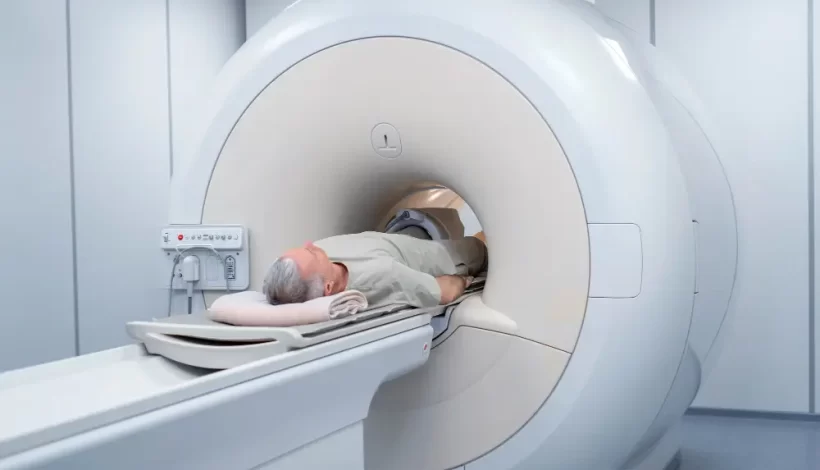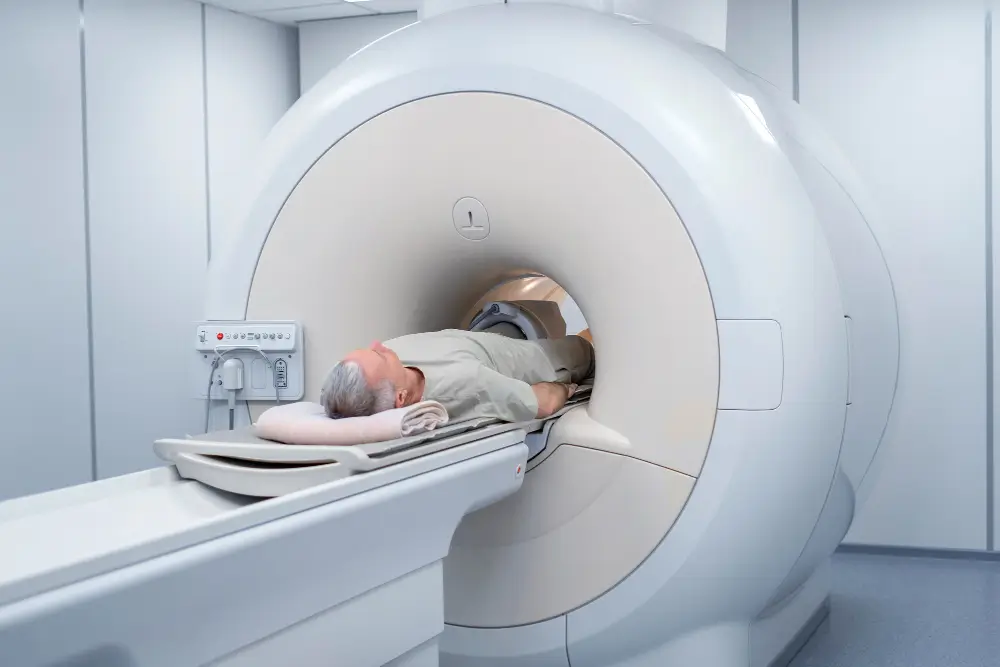
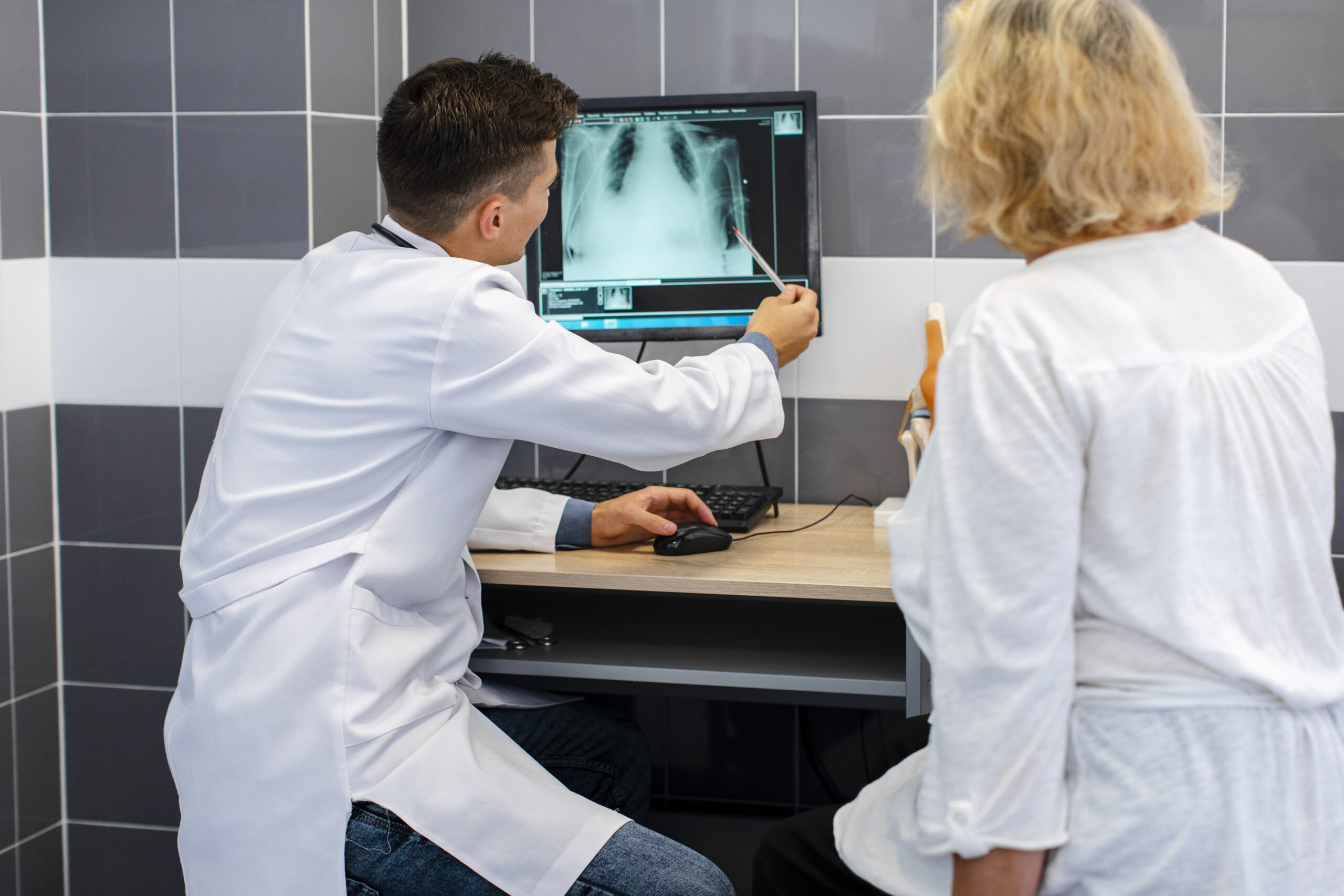
Ct scan in Mumbai

The Rising Demand for CT Scans Among Young Adults: A New Trend or Cause for Concern?

The rising demand for CT scans among young adults is indeed an intriguing development. On one hand, advancements in medical technology and greater access to healthcare have made these diagnostic tools more accessible. However, this increase in demand could also be indicative of underlying concerns, both medical and societal. Let’s break down both perspectives:

Trend: Increased Awareness and Proactive Health Measures: As health awareness rises, more young adults are opting for diagnostic imaging like CT scans, often as part of routine check-ups or after experiencing symptoms such as pain, discomfort, or anxiety over health conditions. Social media, online health platforms, and peer influences can often drive the decision to seek immediate and advanced medical care.

Advancements in Medical Technology: CT scans are non-invasive and provide detailed, accurate images of the body’s internal structures. This makes it an attractive option for detecting a wide range of conditions, from bone fractures to more serious conditions like cancer or internal bleeding.
Rising Incidence of Certain Conditions: There could also be an increase in diseases or conditions in younger populations that necessitate the use of CT scans. For example, traumatic injuries due to accidents or sports, or even conditions like appendicitis, might prompt more young adults to seek CT scans for faster diagnosis.

Cause for Concern: Overuse and Health Risks one of the most concerning aspects of increased CT scan usage is the exposure to ionizing radiation. While CT scans are invaluable in diagnosing certain conditions, they do expose the body to higher radiation levels than standard X-rays. Repeated exposure to this radiation over time could increase the risk of developing certain types of cancer, especially in younger people whose cells are still dividing and more sensitive to radiation.

Medical Overuse and Anxiety: There’s also the potential for overuse of diagnostic imaging. Some young adults may be inclined to get CT scans for reassurance rather than due to clinical necessity. This trend could be influenced by a culture of “hyperdiagnosis,” where there is a tendency to over-diagnose or over-test in an effort to find any potential issue, even if it doesn’t pose an immediate health risk. This can result in unnecessary medical procedures, added costs, and psychological stress.

Healthcare System Strain: As demand for imaging increases, healthcare systems might face strain, particularly in terms of capacity, cost, and resource allocation. In some cases, an increase in imaging demand can lead to wait times and a delay in care for more critical cases, which could potentially reduce the overall quality of healthcare.

A Balancing Act: The key to navigating this growing demand lies in finding a balance between appropriate usage and the risks of over-reliance on diagnostic imaging. Encouraging healthcare providers to adhere to evidence-based guidelines is essential. The use of CT scans should be based on clear medical necessity rather than simply as a precautionary measure.

Additionally, promoting awareness about the potential risks of radiation exposure and the importance of utilizing non-invasive diagnostic methods (like ultrasound or MRI) when possible could help mitigate the risks associated with overuse.
Frequently Asked Questions (FAQs)

Q1: What is a CT scan?

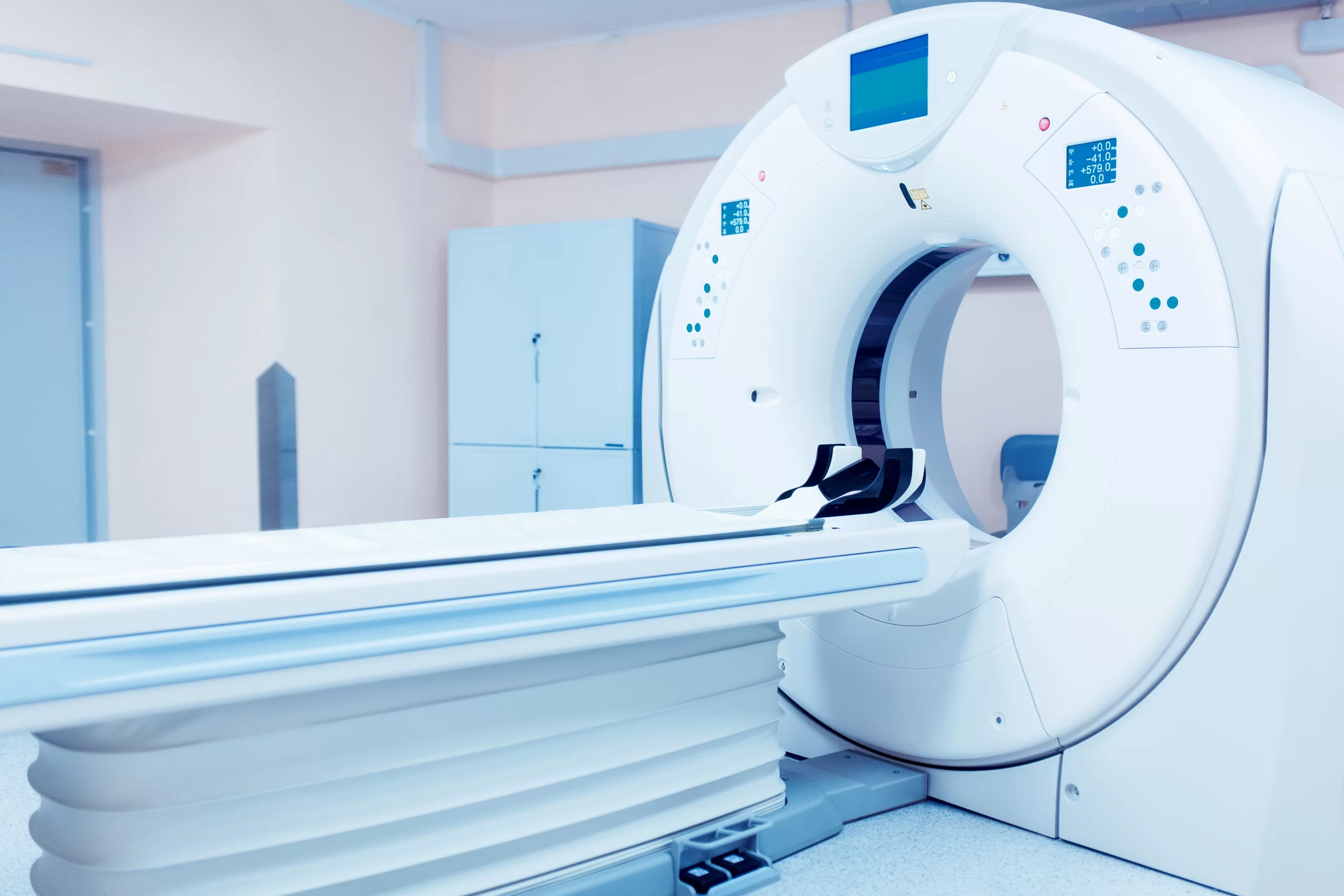
A CT scan uses X-rays and computers to create detailed images of the body to diagnose conditions like infections, injuries, or cancer.

Q2: Why are CT scans popular among young adults?

Increased health awareness and better access to diagnostic tools have led to more young adults seeking CT scans for early detection and preventive care.

Q3: Are CT scans safe?

A: CT scans involve minimal radiation, but their safety depends on using them only when necessary, as excessive exposure can pose risks.

Q4: Do I need a doctor’s referral for a CT scan?

Most centers require a doctor’s referral, but some may offer direct consultations.

Q5: How long does a CT scan take?

A typical CT scan takes around 10-30 minutes, depending on the area being scanned.

Conclusion: Should You Get a CT Scan?

The rising demand for CT scans among young adults underscores the growing awareness of health and the increasing accessibility of advanced diagnostic tools. However, it also brings important concerns about overuse, unnecessary radiation exposure, and the potential strain on healthcare systems. Finding a balance between proactive health monitoring and the risks associated with excessive imaging is essential.

If you’re in Mumbai and considering a CT scan, make sure to consult with experienced healthcare providers to determine its necessity for your specific situation. CT scan in Mumbai services offer advanced imaging techniques that can provide valuable insights into your health. Reach out to trusted medical centers in the city to ensure you’re making informed decisions about your health and well-being.
DOTA scan in Mumbai

DOTA Scan at Ace Imaging Centre in Mumbai: Everything You Need to Know

A DOTA scan (also known as a 68Ga-DOTA PET/CT scan) is an advanced imaging technique used to detect neuroendocrine tumors (NETs) and monitor their progression or response to treatment. If you’re looking to undergo a DOTA scan in Mumbai, Ace Imaging Centre is one of the premier diagnostic centers that offers this specialized service with high accuracy and advanced technology.

This guide will walk you through the benefits, process, cost, and preparation for a DOTA scan at Ace Imaging Centre in Mumbai.

What is a DOTA Scan?

A DOTA scan uses a radioactive tracer (gallium-68) attached to a DOTA compound, which binds to specific receptors on neuroendocrine tumors. The scan combines PET (Positron Emission Tomography) and CT (Computed Tomography) imaging to create detailed, high-resolution images of the tumor’s location, size, and activity. This scan is especially useful for:

  • Diagnosing neuroendocrine tumors (NETs)
  • Staging and restaging cancer
  • Assessing treatment effectiveness
  • Planning targeted therapies like Peptide Receptor Radionuclide Therapy (PRRT)

Why Choose Ace Imaging Centre for a DOTA Scan?

Ace Imaging Centre in Mumbai is known for its expertise in nuclear medicine and diagnostic imaging. Here’s why it’s a top choice for DOTA scans:

1. Advanced Technology

Ace Imaging Centre is equipped with the latest PET/CT scanners that deliver high-resolution images, enabling precise detection of even small tumors. The integration of the DOTA tracer with PET/CT technology enhances the scan’s sensitivity, ensuring accurate diagnosis and treatment planning.

2. Experienced Team

The center has a team of experienced radiologists and nuclear medicine specialists who are skilled in interpreting complex scans. Their expertise ensures that patients receive reliable and timely results.

3. Comprehensive Services

In addition to DOTA scans, Ace Imaging Centre offers a range of imaging services, including:

  • MRI scans
  • CT scans
  • Ultrasound and Doppler studies
  • PET/CT scans for oncology
  • Nuclear medicine scans for various conditions

4. Patient-Centered Care

Ace Imaging Centre prioritizes patient comfort and care. They provide a calm and supportive environment, especially for those undergoing nuclear imaging procedures, which can be daunting.

5. Affordable and Transparent Pricing

Ace Imaging Centre offers competitive pricing for its diagnostic services, ensuring that patients receive high-quality imaging at an affordable cost. They also offer assistance with insurance claims and paperwork.

DOTA scan in Mumbai

DOTA Scan Procedure at Ace Imaging Centre

Step 1: Pre-Scan Preparation

Before the DOTA scan, you may be asked to:

  • Avoid eating or drinking for a few hours before the procedure, depending on the scan type.
  • Inform the doctor about any allergies or pre-existing conditions, especially kidney problems or reactions to contrast agents.
  • Provide medical history related to cancer, surgeries, or other relevant conditions.

Step 2: The DOTA Scan Process

  • Injection of the Tracer: The DOTA scan involves the injection of a radioactive tracer (gallium-68) into your bloodstream. This tracer attaches to the receptors on the neuroendocrine tumor cells.
  • Wait for Absorption: After the injection, you will need to wait for around 30-60 minutes to allow the tracer to circulate through your body and target the tumor cells.
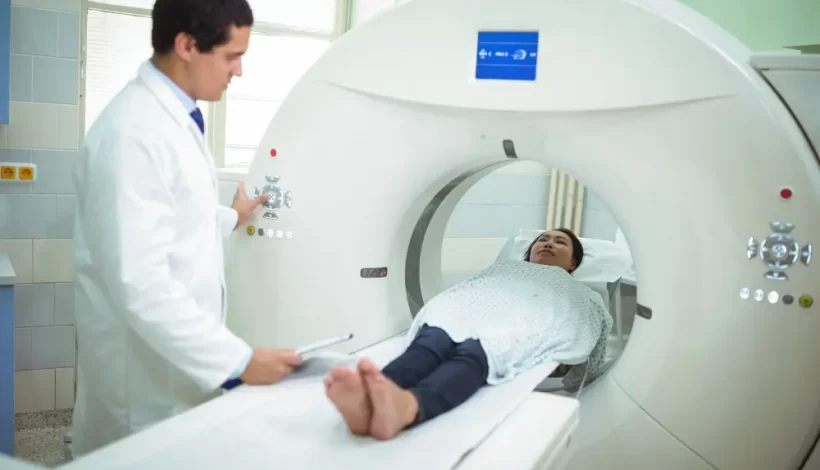
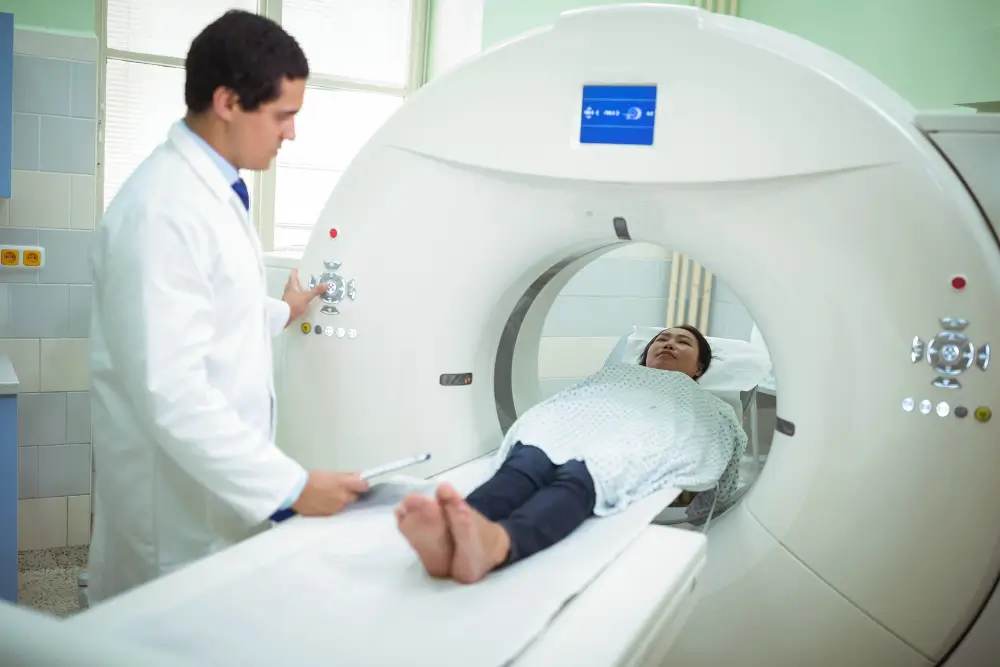
  • PET/CT Imaging: Once the tracer has been absorbed, you will be asked to lie on a table that moves into the PET/CT scanner. The scan itself is painless and takes about 20-30 minutes, during which you need to remain still to get clear images.
  • Post-Scan Instructions: After the scan, you may be advised to drink plenty of water to help flush the tracer out of your system.

Step 3: Results and Follow-Up

The images from the scan will be reviewed by a radiologist and a nuclear medicine specialist. Results are typically available within 24-48 hours. Your doctor will discuss the findings and recommend further steps for treatment if necessary.

Benefits of DOTA Scans at Ace Imaging Centre

  • Early Detection of Tumors: DOTA scans help in detecting neuroendocrine tumors at an early stage, even before they are visible on other imaging tests.
  • Precise Tumor Localization: The combination of PET and CT allows for precise localization of tumors, which is crucial for planning treatment.
  • Non-Invasive: DOTA scans provide a non-invasive way to monitor the growth and spread of tumors, avoiding the need for biopsy in many cases.
  • Enhanced Treatment Planning: The results of the scan can guide doctors in selecting the most appropriate treatment, such as surgery, chemotherapy, or targeted therapies.

Cost of DOTA Scan at Ace Imaging Centre

The cost of a DOTA scan in Mumbai typically ranges from ₹25,000 to ₹45,000, depending on the diagnostic center and the complexity of the scan. Ace Imaging Centre offers competitive pricing, and they may also provide package deals or discounts for multiple scans. It’s advisable to confirm the exact cost with the center at the time of booking.

Frequently Asked Questions (FAQs)

Q1: Is the DOTA scan painful?

A: No, the DOTA scan is a painless procedure. You may experience some discomfort from the injection of the radioactive tracer, but there is no pain associated with the scan itself.

Q2: How long does the DOTA scan take?

A: The entire procedure, including the injection of the tracer and the scan itself, takes about 1.5 to 2 hours.

Q3: Is the DOTA scan safe?

A: Yes, DOTA scans are considered safe. The radioactive tracer used has a very short half-life and is eliminated from the body relatively quickly.

Q4: Can I eat or drink before the scan?

A: For some DOTA scans, you may be required to fast for 4-6 hours before the procedure. Follow the specific instructions provided by Ace Imaging Centre.

Q5: Do I need to prepare for the scan in any special way?

A: Apart from fasting and avoiding metal objects, you may be asked to refrain from certain medications before the scan. Always follow the guidelines given by your doctor or the imaging center.

Conclusion

A DOTA scan at Ace Imaging Centre in Mumbai provides a highly accurate, non-invasive method for detecting and monitoring neuroendocrine tumors. With advanced technology, experienced staff, and patient-centered care, Ace Imaging Centre ensures that you receive the best possible diagnostic experience.

MRI Scan in Mumbai

A Beginner’s Guide to Preparing for Your MRI Scan in Mumbai

Magnetic Resonance Imaging (MRI) is a safe and non-invasive diagnostic tool that provides detailed images of your body’s internal structures. If you’re scheduled for an MRI scan in Mumbai, it’s natural to have questions about what to expect and how to prepare. This guide will walk you through the preparation process to ensure a smooth and stress-free experience.

What is an MRI Scan?

MRI scans use strong magnetic fields and radio waves to create detailed images of organs, tissues, and bones. Unlike X-rays or CT scans, MRI does not use ionizing radiation, making it a preferred choice for many conditions.

Common uses for MRI scans include:

  • Diagnosing brain and spinal cord conditions.
  • Detecting joint injuries or abnormalities.
  • Evaluating organ health, such as the heart, liver, or kidneys.
  • Monitoring tumors or other medical conditions.

When selecting a center, consider factors like proximity, cost, and availability of open or advanced MRI machines.

How to Prepare for Your MRI Scan

1. Discuss Your Medical History

Before the scan, inform your doctor and the radiologist about:

  • Any metal implants, pacemakers, or prosthetics in your body.
  • Previous surgeries or medical conditions.
  • Allergies or claustrophobia.
  • Pregnancy, if applicable.

This information helps the medical team determine if any special precautions are necessary.

2. Follow Fasting Instructions (if required)

For certain types of MRI scans, such as abdominal imaging, you may be asked to avoid eating or drinking for 4-6 hours before the procedure. Your doctor will provide specific guidelines.

3. Wear Comfortable Clothing

Choose loose, metal-free clothing to wear during the scan. Metal objects like zippers, buttons, or jewelry can interfere with the magnetic field. Many centers provide a gown for patients to wear during the scan.

4. Remove Metal Objects

Before entering the MRI room, you’ll need to remove the following:

  • Jewelry, watches, and hairpins.
  • Eyeglasses and hearing aids.
  • Wallets, credit cards, and any items containing metal.

5. Arrive Early

Plan to arrive at least 15-30 minutes before your scheduled appointment. This allows time for registration, briefing, and addressing any last-minute questions.

What to Expect During the MRI Scan

1. Pre-Scan Preparation

  • You’ll be asked to lie on a movable table that slides into the MRI machine.
  • A technician may use cushions or straps to help you remain still during the scan.

2. Contrast Agent (if required)

For some scans, a contrast agent may be injected into your vein to enhance image clarity. Let your doctor know if you’ve had any allergic reactions to contrast agents in the past.

3. The Scanning Process

  • The machine will produce loud tapping or thumping noises during the scan. You’ll be given earplugs or headphones to reduce the noise.
  • The procedure typically lasts 30-60 minutes, depending on the area being examined.

4. Staying Still

It’s crucial to remain as still as possible during the scan to ensure clear images. If you feel discomfort, you can communicate with the technician through an intercom system.

MRI Scan in Mumbai

Tips for a Stress-Free MRI Experience

1. Overcoming Claustrophobia

If you’re nervous about being in a confined space, consider these tips:

  • Opt for an open MRI machine if available.
  • Practice relaxation techniques like deep breathing.
  • Request a sedative from your doctor if needed.

2. Bring a Friend or Family Member

Having a loved one accompany you can provide reassurance and help reduce anxiety.

Ask Questions

Don’t hesitate to ask the staff about the procedure, noise levels, or any concerns you may have.

After the MRI Scan

  • Immediate Resumption of Activities: In most cases, you can return to your normal routine immediately after the scan.
  • Contrast Agent Side Effects: If a contrast agent was used, drink plenty of water to flush it out of your system.
  • Results Timeline: Your doctor will receive the results within 24-48 hours and discuss the findings with you.

FAQs About MRI Scans in Mumbai

Q1: Is an MRI scan painful?

A: No, MRI scans are painless. However, you may experience slight discomfort from lying still for an extended period.

Q2: How much does an MRI scan cost in Mumbai?

A: The cost of an MRI scan in Mumbai ranges from ₹5,000 to ₹25,000, depending on the type of scan and the facility.

Q3: Can I get an MRI if I have a pacemaker?

A: Traditional MRI machines may not be safe for patients with pacemakers. However, newer MRI-compatible pacemakers and specialized machines are available at select centers.

Q4: Are MRI scans safe during pregnancy?

A: MRI scans are generally safe during pregnancy, but always consult your doctor before undergoing the procedure.

Q5: What should I do if I feel claustrophobic?

A: Inform the technician or doctor beforehand. Open MRI machines or mild sedatives can help alleviate claustrophobia.

Conclusion

Preparing for an MRI scan in Mumbai doesn’t have to be stressful. By understanding the procedure, choosing a reputable diagnostic center, and following the preparation guidelines, you can ensure a smooth and comfortable experience.

pet scan

Full Body PET Scan Cost in Mumbai: Everything You Need to Know

Introduction

A full-body PET scan is a powerful diagnostic tool that provides detailed insights into metabolic activity and structural abnormalities across the entire body. It is widely used for detecting cancer, assessing heart conditions, and diagnosing neurological disorders.

Mumbai, known for its advanced medical facilities, offers full-body PET scans at competitive rates compared to other major cities. This guide will cover the cost of a full-body PET scan in Mumbai, factors influencing pricing, and tips to make the procedure more affordable.

PET Scans

What is a Full-Body PET Scan?

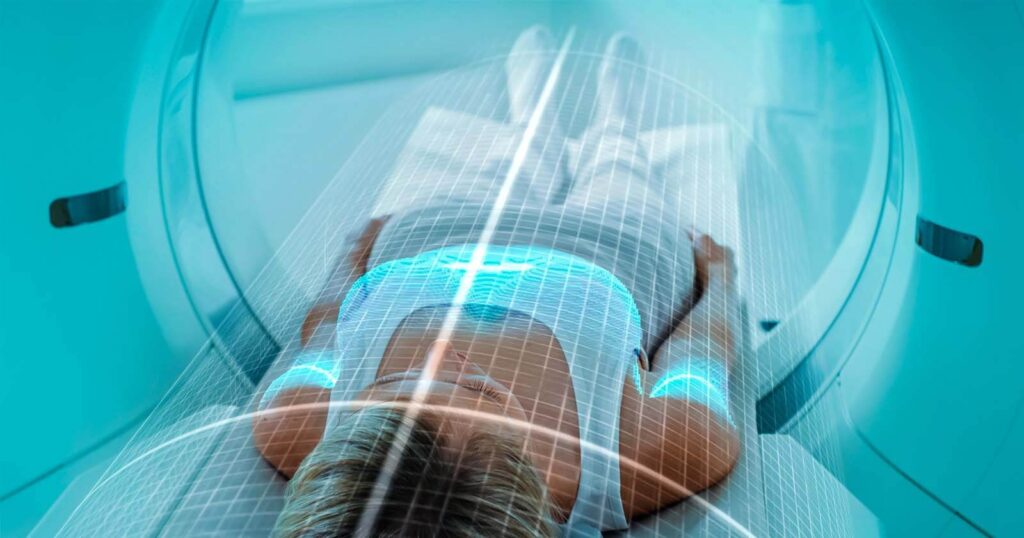
A full-body PET scan combines Positron Emission Tomography (PET) with Computed Tomography (CT) to provide comprehensive imaging of the entire body.

Key Uses

  1. Cancer Detection and Monitoring: Identifies tumors, stages cancer, and monitors treatment effectiveness.
  2. Cardiac Evaluation: Assesses blood flow and detects heart damage.
  3. Neurological Disorders: Diagnoses conditions like Alzheimer’s disease and epilepsy.
  4. Infection and Inflammation: Detects hidden infections and inflammatory diseases.

Full-Body PET Scan Cost in Mumbai

The cost of a full-body PET scan in Mumbai typically ranges between ₹20,000 and ₹40,000, depending on various factors.

Cost Breakdown

Type of FacilityApproximate Cost (₹)Services Included
Premium Hospitals₹30,000 – ₹40,000Specialist consultations, detailed reporting
Reputed Diagnostic Centers₹20,000 – ₹30,000Standard imaging and basic reporting
Standalone Clinics (Suburban)₹18,000 – ₹25,000Limited services

Factors Affecting Full-Body PET Scan Costs

  1. Type of Radiotracer
    The choice of tracer (e.g., FDG for cancer, NaF for bone imaging) impacts the cost. Specialized tracers tend to be more expensive.
  2. Facility Type
    Premium hospitals with advanced equipment and expert radiologists charge higher than standalone diagnostic centers.
  3. Additional Services
    Costs may include pre-scan blood tests, consultations, or post-scan evaluations.
  4. Location
    Facilities in central Mumbai are often pricier compared to those in suburban areas due to operational costs.
  5. Insurance Coverage
    Many health insurance policies cover full-body PET scans, especially for cancer diagnosis and monitoring.

Why Choose Ace Imaging Centre for a Full-Body PET Scan?

  • State-of-the-Art Facilities: Access to advanced PET/CT scanners.
  • Experienced Specialists: Highly trained radiologists and oncologists.
  • Affordable Pricing: Competitive costs compared to global standards.
  • Convenience: Well-connected infrastructure for easy access.

How to Prepare for a Full-Body PET Scan

  1. Fasting: Patients must fast for 4-6 hours before the scan. Drinking water is allowed.
  2. Medication Disclosure: Inform your doctor about ongoing medications or allergies.
  3. Avoid Strenuous Activity: Refrain from heavy exercise 24 hours before the scan.
  4. Comfortable Clothing: Wear loose, metal-free clothing to avoid interference during the scan.

What to Expect During the Procedure

  1. Tracer Injection
    A small amount of radioactive tracer is injected into your bloodstream.
  2. Waiting Period
    The tracer takes 30-60 minutes to circulate and highlight areas of metabolic activity.
  3. Imaging
    You’ll lie on a scanner bed, which moves through the PET/CT machine. The scan itself takes about 20-30 minutes.
  4. Post-Scan
    Patients can resume normal activities immediately. Results are usually available within 24-48 hours.

FAQs on Full-Body PET Scan Costs in Mumbai

Q1: Is a full-body PET scan covered by insurance?

A: Yes, most insurance policies cover PET scans for conditions like cancer diagnosis and monitoring. Check with your provider for specific details.

Q2: How long does the procedure take?

A: The entire process, including preparation, takes about 2-3 hours. The scan itself lasts 20-30 minutes.

Q3: Is the procedure safe?

A: Yes, the scan is safe. The amount of radiation used is minimal and within medical safety guidelines.

Q4: Can I eat before the scan?

A: No, fasting for 4-6 hours is typically required to ensure accurate results.

Q5: Are there any side effects?

A: Side effects are rare. Some patients may experience mild discomfort at the injection site or a warm sensation during the tracer injection.

Conclusion

A full-body PET scan is an essential diagnostic tool for detecting and managing a variety of medical conditions. Ace Imaging centre advanced healthcare infrastructure, combined with competitive pricing and expert professionals, makes it an ideal location for this procedure.